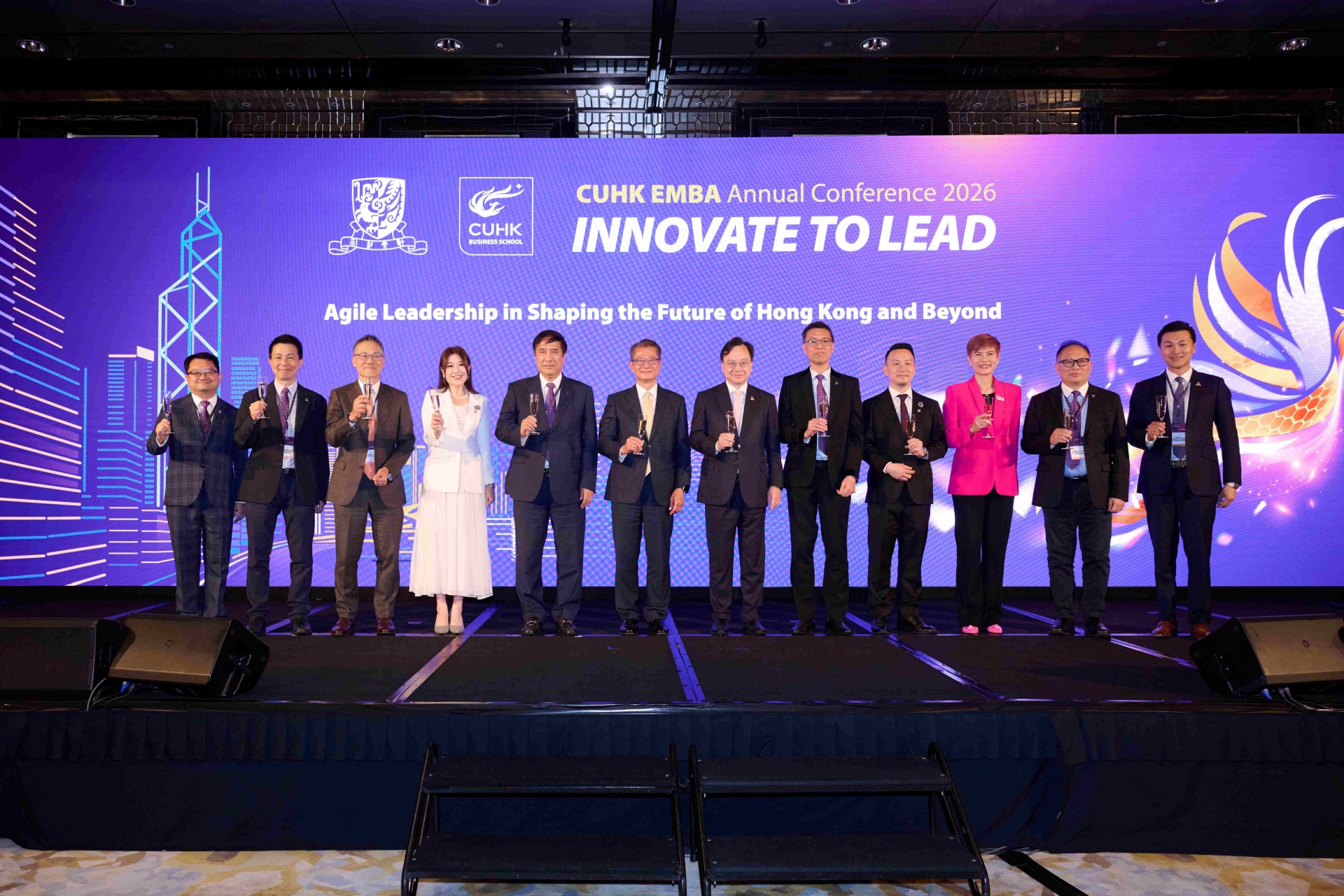
At the Chinese University of Hong Kong EMBA Annual Conference: Innovate to Lead, Malina shared her perspective on Agile Leadership - from Hong Kong 1841 to a future-ready organisation.
Drawing on AS Watson’s 185-year evolution, from a small dispensary in Hong Kong to over 17,000 stores across 31 markets, Malina reinforced a critical mindset: longevity is not secured purely by anniversaries and scale, but by our ability to continuously adapt. As she put it, “History doesn’t guarantee the future. What guarantees the future is adaptability.”
Today, adaptability has a modern name – often referred to as ‘Agility’. It is not just about strategy, it is about how we redesign our processes, reimagine how we work, and fully embrace technology as an enabler of better decisions and faster execution.
To bring this to life internally, Malina introduced a simple yet powerful distinction between “like” and “love.” While “like” is instinctive and short-lived, “love” requires commitment, ownership, and consistent action.
For us as an organisation, sustainable success depends on how deeply we are committed to making things better every day - for our customers, for our partners, and for each other.
This mindset underpins AS Watson’s ABC of Love Strategy: Agility, Bonding, and Customer Connection - not just as a framework, but as a shared way of working that must be reflected in our daily decisions, behaviours, and processes.
Learn more about ABC of Love Strategy:
The ABC of LOVE Strategy: Building Passionate Growth | WatsON - Stay tuned with AS Watson
Malina challenged a common misconception: agility is not about speed.
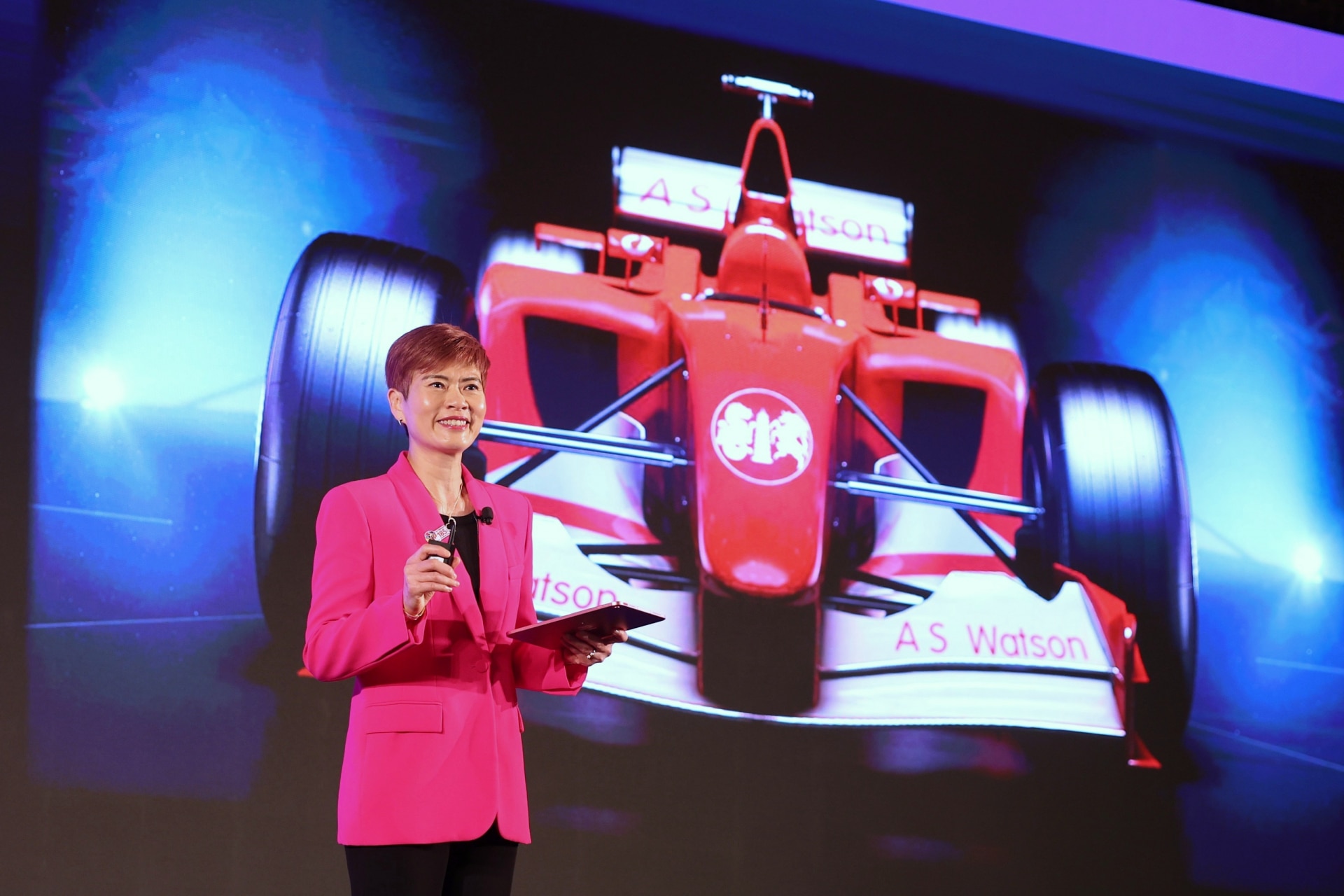
Using the analogy of Formula One, she explained that performance is not achieved by simply adding horsepower, but by reducing drag through better system design.
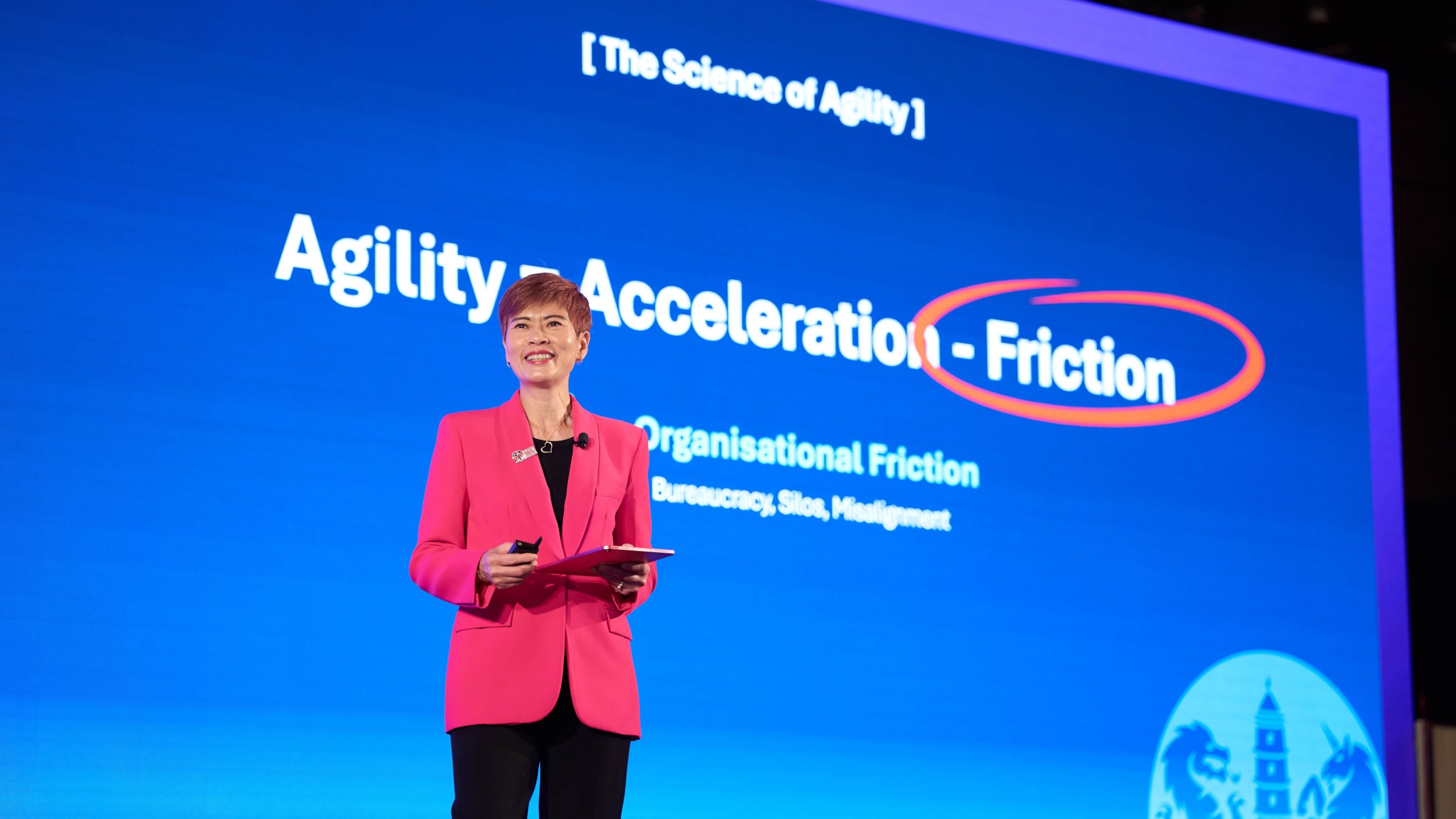
“Agility is acceleration minus friction. You don’t fix drag by pushing harder. You fix it by redesigning the system.”
This is particularly relevant as we accelerate our digital transformation and adoption of new technologies. Too often, organisations invest in new tools, launch new strategies while keeping old processes, creating complexity instead of speed.
These frictions cannot be solved by working harder, they must be designed out.
Two factors are critical:
This requires a shift from “hero leadership” to shared leadership across the organisation.
“Agility does not come from faster leaders, but from more people empowered to decide.”
Malina brought these ideas together through the Science of Agility:
Because clarity and capability multiply, the absence of either significantly limits our ability to move forward, no matter how much effort we put in.
As we adopt new systems and redesign workflows, agility becomes everyone’s responsibility, everyone’s leadership.
Each of us plays a part in:
Agility is not a programme; it is how we behave every day in how we work and interact; then agility becomes the natural outcome of how we work every day.
As we continue to transform AS Watson, redesigning processes, embedding technology, and strengthening our O+O capabilities, the key question for all of us is not how to move faster, but:
What is slowing us down, and what can I do to remove it?
Malina closed with a clear and inclusive call to action:
“Before you add horsepower, look for drag. Before you accelerate, redesign the system. Agility is a design choice, and that choice belongs to every one of us.”