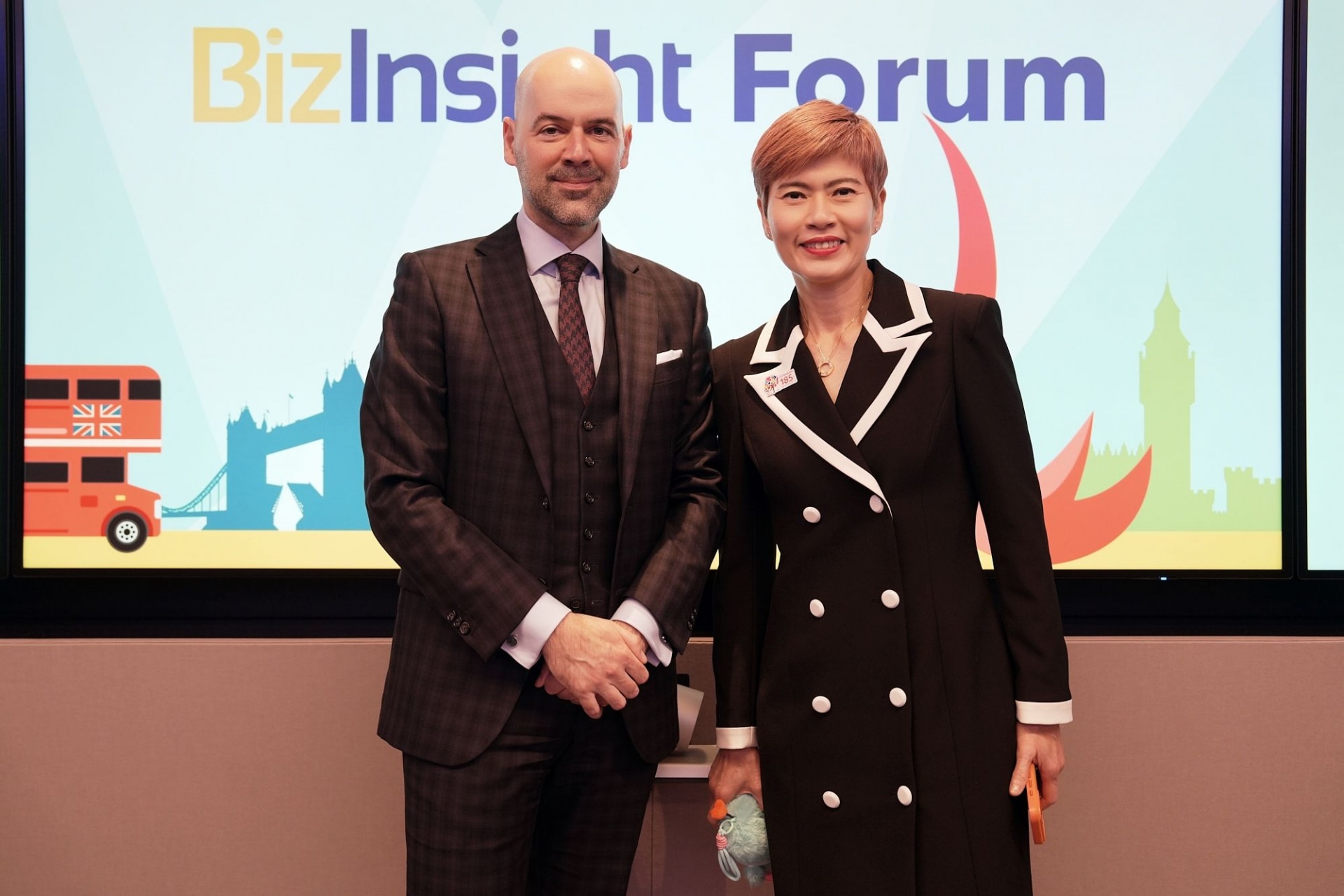
At the Hong Kong University of Science and Technology (HKUST) Business School’s BizInsight Forum held at the London Stock Exchange, Malina shared how the Group is rethinking transformation in the age of generative AI—placing culture, emotion and human connection at its core.
“AI is horizontal, not vertical,” Malina highlighted, emphasising that its impact spans across every function. For AS Watson, this has shaped a clear direction, a “One-Move AI Strategy”, where transformation is not fragmented, but embedded across the entire organisation.
From Tools to Trusted Partners
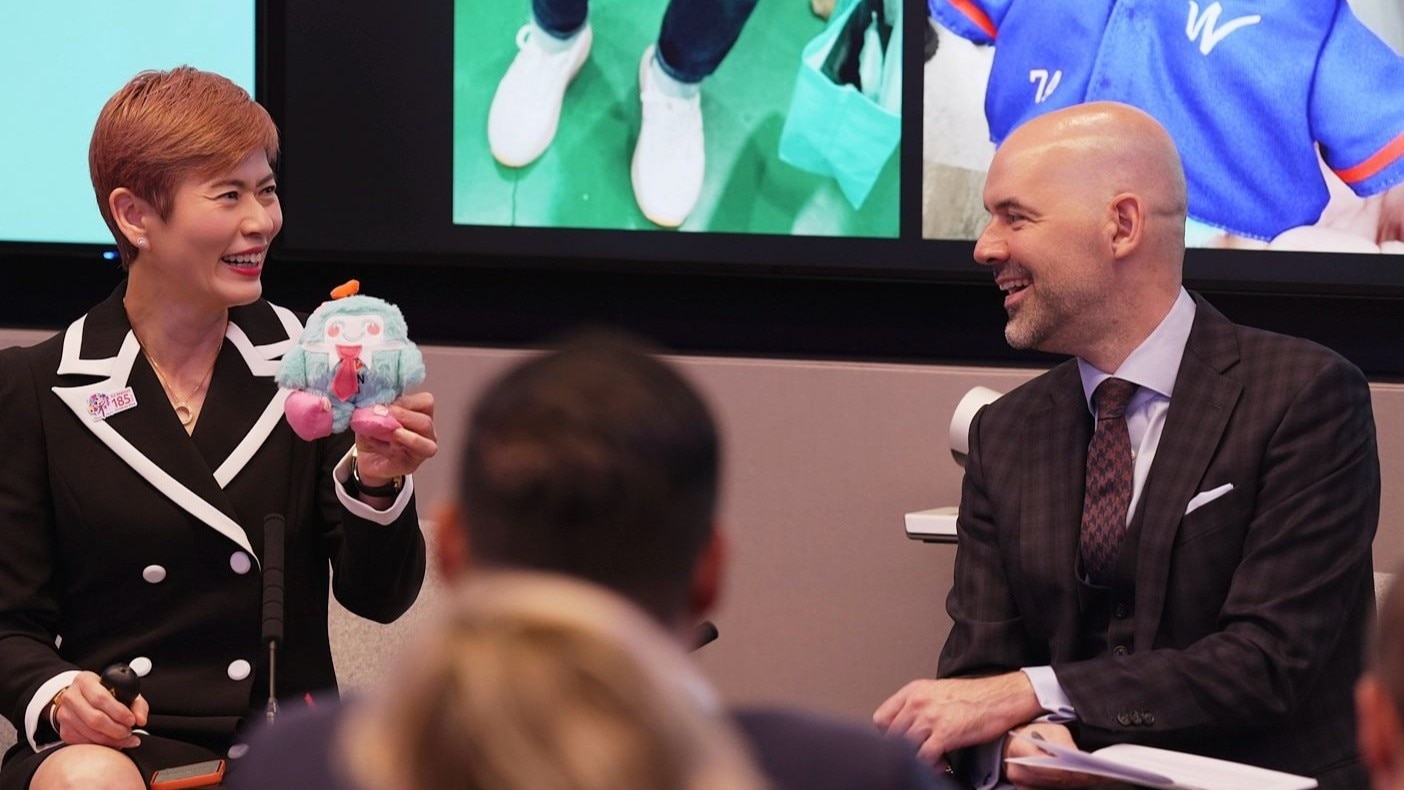
Rather than positioning it as a tool, the Group has focused on humanising AI, bringing it closer to colleagues through everyday interactions. One example is the introduction of AI buddies distributed through blind boxes, sparking curiosity and engagement across teams. Colleagues shared unboxing moments, and more importantly, began to see AI as a partner or assistant rather than a tool. “That language shift mattered,” Malina noted.
For Malina, true transformation begins not with policy, but with emotion - this is leadership, not marketing. This people-first mindset goes beyond technology adoption to fundamentally redesigning the human–machine relationship.
Where AI is Invisible, Value Expands
The same philosophy extends to how we deliver value to customers, making AI essentially invisible. Through hyper-personalisation, customers simply feel understood, receiving the right product at the right time, through the right channel, without ever noticing the technology behind it.
Malina also challenged traditional perspectives on return on investment (ROI). While conventional models focus on cost savings, she encouraged leaders to rethink value through a broader lens: “How does this change how the company creates value?”
She outlined a progression from value creation to value scaling, and ultimately to value optimisation, noting that the real return comes from scaling adoption across every function rather than from isolated use cases.
Equally important is the role of agility, but not in its usual definition. “Agility is not speed. It is acceleration minus friction,” Malina explained, urging leaders to focus not only on integrating AI, but on removing barriers that hold organisations back by redesigning the system.
The Future of Retail is Human
Looking ahead, Malina reinforced a powerful vision for the future of retail. By 2030, she believes retail will become more human. Technology will fade into the background, and what will remain is how brands make people feel.
“Customers will not remember how advanced our systems were,” she said. “They will remember how we made them feel.”